


The Hammam Culture
A Legacy of Warmth and Community
The Turkish Hammam is far more than a place to wash. For centuries, it served as a vital social institution, a haven for healing, celebration, and intimate gatherings. Its architecture, steeped in history, reflects a deep understanding of light, sound, and thermal comfort. This page uncovers the profound cultural significance of the hammam, revealing why it remains a cherished tradition.

From Roman Baths to Ottoman Sanctuaries
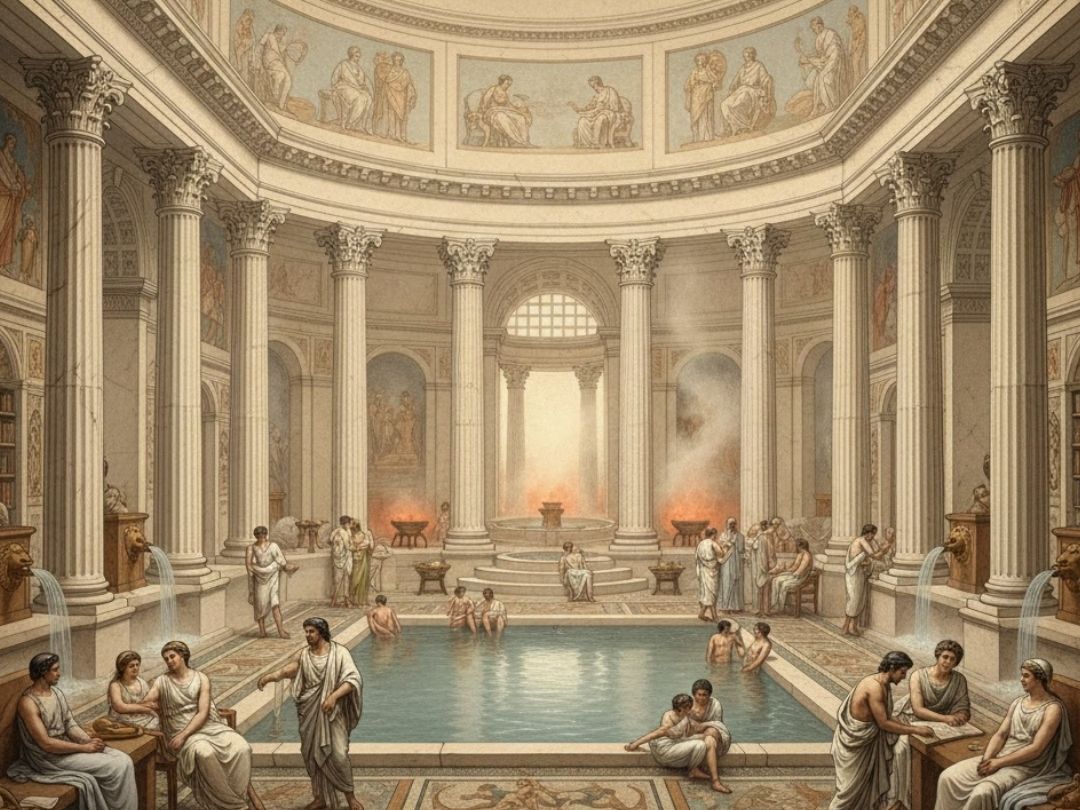
The concept of public bathing is as old as civilization itself, with roots tracing back to the Roman Thermae. However, it was in the Ottoman Empire that this tradition was refined and infused with a unique blend of Islamic purification rituals and Turkic hospitality, transforming it into the distinct Turkish Hammam culture we know today.
The Evolution of the Bath
The Romans introduced elaborate public baths to Anatolia, serving as centers for hygiene, exercise, and social interaction. When the Seljuks and later the Ottomans arrived, they embraced this infrastructure. They adapted the architectural styles, integrated the Islamic emphasis on cleanliness, and imbued the space with their own social dynamics, creating a unique synthesis. The hammam became a place where spiritual purification met communal life.
Enrich Your Exploration

Four Seasons:
Bosphorus, Perfected


Garenta: Discover More of Istanbul
the landmarks; experience the
real city. Garenta offers the freedom to discover Istanbul's hidden treasures at your own pace.

Domes, Light & Marble
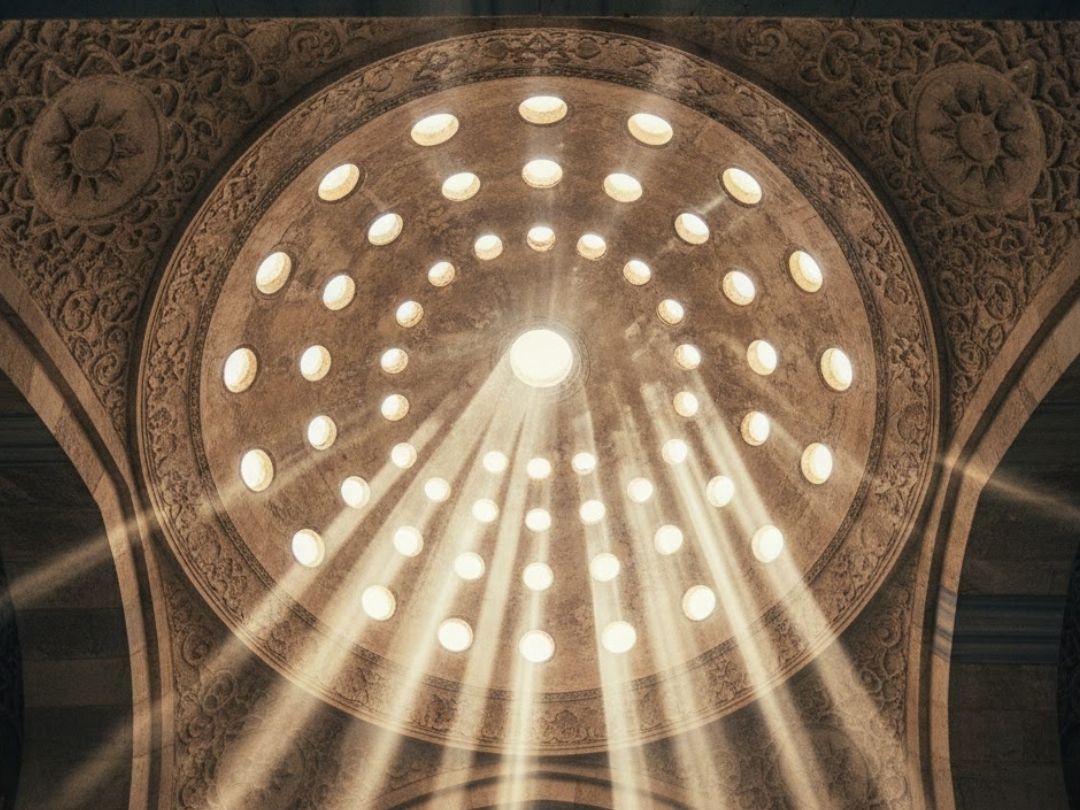
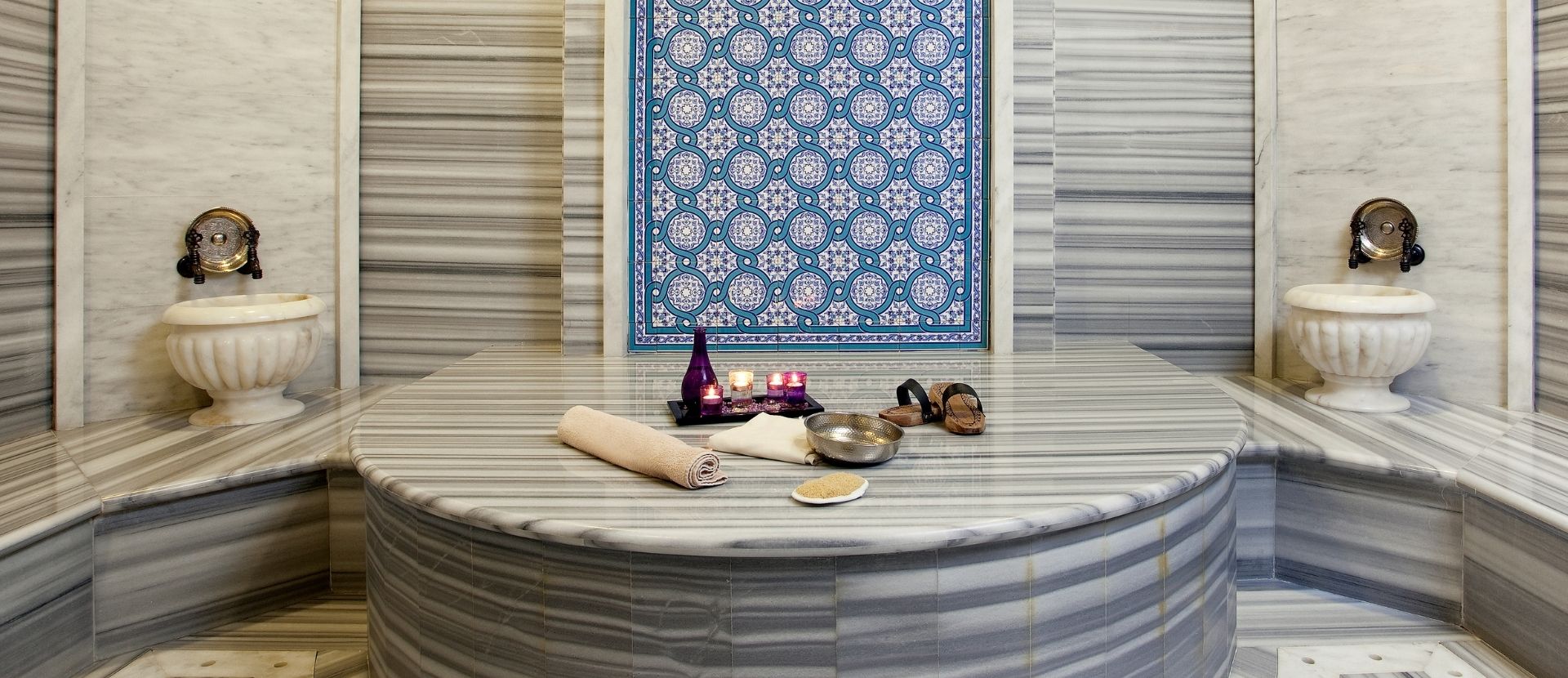
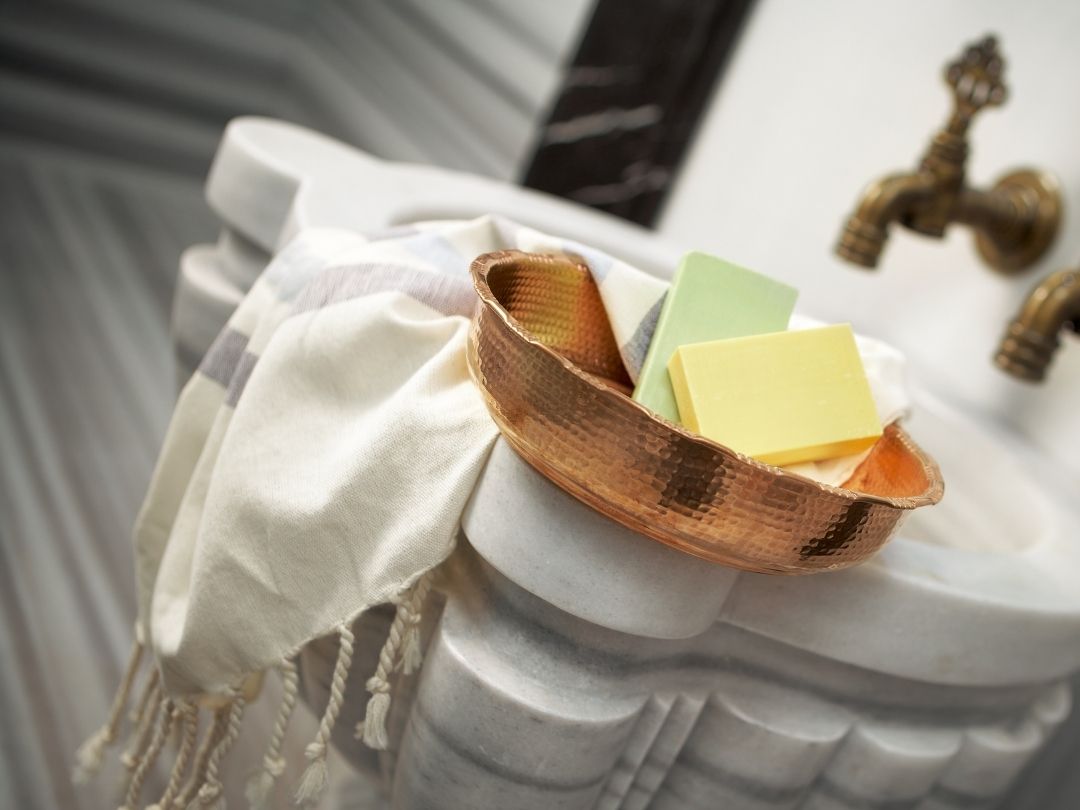
A Turkish Hammam is a masterpiece of thermal engineering and visual harmony. Every element, from the star-shaped perforations in the domes that filter natural light to the intricate marble patterns, is designed to create a sense of ethereal calm and timeless elegance. These spaces are sanctuaries not just for the body, but for the eye.

Journey with Confidence
Acıbadem Hospitals Group: Global Excellence in Healthcare
While you immerse yourself in the rich history of Istanbul, your well-being is protected by a future-focused healthcare leader. Acıbadem provides world-class medical services, from comprehensive health screenings to advanced treatments, all delivered with a commitment to your safety and comfort.
Travel with the assurance that you and your loved ones are in the most capable hands.

A traditional Turkish Hammam is meticulously designed with three distinct zones: the camekan (cooling/changing room), the ılıklık (warm intermediate room), and the sıcaklık (hot steam room). This deliberate thermal progression is a key cultural aspect, allowing the body to adjust gradually and enhancing the purification process.
FAQ: Frequently Asked Questions about Turkish Hammam
What is the significance of the central 'göbek taşı' (belly stone)?
The ‘göbek taşı’ is the large, heated marble slab in the center of the sıcaklık (hot room). It serves as the warming core of the hammam. Lying on it helps to relax muscles, open pores, and prepare the body for exfoliation and massage. Culturally, it’s the symbolic “heart” of the bathing ritual.
Were hammams always segregated by gender?
Historically, yes. Most large, public hammams had separate sections for men and women, or specific hours allocated for each gender. This segregation was crucial for maintaining modesty and allowing a comfortable social environment. Some modern hammams might offer mixed-gender sessions, but these are exceptions to the traditional rule.
How important was the hammam in Ottoman urban planning?
The hammam was an indispensable part of Ottoman urban fabric, often built alongside mosques, bazaars (çarşı), and soup kitchens (imaret). It was considered a public utility essential for both hygiene and social cohesion. No Ottoman city was complete without at least one grand hammam serving its community.

More Than a Bath: The Social Heartbeat
For centuries, the Turkish Hammam was the true public sphere—a place where women exchanged news, men discussed business, and important life events were celebrated. It was a communal sanctuary where social hierarchies often dissolved with the steam, making everyone equal on the warm marble.
The Bridal Bath & Matinees
For Ottoman women, the hammam was a vital social hub, often the only place they could gather freely outside the home. The gelin hamamı (bridal bath) was a vibrant pre-wedding celebration, and weekly "matinees" (women-only sessions) were informal marketplaces of gossip, matchmaking, and solidarity.
Business & Brotherhood
Men used the hammam for more than just cleansing. It was a place for informal business dealings, political discussions, and strengthening bonds of brotherhood. The relaxed, intimate atmosphere facilitated conversations that might be difficult in more formal settings.
First Tooth, First Haircut
The hammam was also central to celebrating important milestones in a child's life. The diş hediği (first tooth celebration) and the ritual of the child's first haircut (saç kesimi) were often marked with special hammam gatherings, signifying purification and new beginnings.